

Shipping Logistics and International Trade
Unleash Your Creative Potential and Drive Innovation
About This Course
Shipping and logistics are an essential part of international trade. International trade cannot be imagined without shipping and logistics. Shipping companies create a link between buyers and sellers in international trade. Most of the time the goods are in the hands of the shipping company during the whole trading period.
What you'll learn
-
Scalable logistics adapts to market growth.
-
Adhering to customs rules prevents delays.
-
Streamlining processes improves supply chain transparency.
-
Timely delivery ensures customer satisfaction and loyalty.
-
Efficient international logistics cuts costs and risks.
Course Curriculum
This module introduces the fundamental concepts of international trade and the crucial role logistics plays in connecting global markets. It covers the economic drivers of trade, key stakeholders, and an overview of the global supply chain.
-
What is international trade?
1 min watch PreviewLearn the fundamental principles and concepts that drive global commerce.
The role of logistics in the global economy.
7 mins : 48 sec watchUnderstand how logistics acts as the backbone of the international supply chain.
Historical evolution of global trade.
7 mins : 48 sec watchExplore the key milestones that shaped the modern landscape of international commerce.
cdnfd
7 mins : 48 sec watchdfgdfgd
This section delves into the various modes of international transport, including ocean freight, air cargo, and land transport. Students will learn about the benefits and drawbacks of each, the role of freight forwarders, and the principles of containerization.
-
Overview of air, sea, rail, and road transportation.
5 mins : 7 sec watchAnalyze the different modes of transport and their suitability for various types of cargo.
Freight forwarding and third-party logistics (3PL).
16 mins : 7 secDiscover the crucial roles these services play in coordinating complex shipments.
A critical module focused on navigating the complexities of cross-border regulations. It covers customs duties, tariffs, trade agreements, and the essential documentation required for smooth clearance, such as Bills of Lading and commercial invoices.
-
Containerization and cargo handling.
watchStudy the standardized systems that revolutionized global shipping efficiency.
Required documentation: Bills of Lading, commercial invoices, and packing lists.
5 mins : 7 sec watchMaster the preparation of essential paperwork for smooth customs clearance.
Navigating customs procedures and avoiding common pitfalls.
1 min readLearn best practices to prevent delays and penalties.
This section teaches students how to identify and mitigate risks inherent in international shipping, including political instability, supply chain disruptions, and security threats. It also explores industry security standards like the Customs-Trade Partnership Against Terrorism (C-TPAT).
-
Identifying risks: political, economic, and natural disasters.
watchRecognize potential threats to your supply chain.
This final module explores how technology is transforming logistics. It covers the use of Logistics Management Systems (LMS), AI, Big Data, and the Internet of Things (IoT) to optimize operations and predict future trends like sustainable logistics.
-
Logistics Management Systems (LMS) and Enterprise Resource Planning (ERP).
1 min watchExplore the software tools that drive modern logistics.
Big data, AI, and the Internet of Things (IoT) in logistics
1 min watchUnderstand how these technologies are used to optimize operations and track shipments in real time.
Frequently Asked Questions
This course is designed for professionals at all levels, from beginners seeking foundational knowledge to experienced individuals looking to enhance their skills
The course provides an in-depth look at the global shipping industry, covering the history of container shipping, various transportation modes (air, ocean, road,
The course is designed for a flexible, self-paced learning format. You can complete the modules and curriculum items at your own convenience.
The time required to complete the course will vary depending on your pace and level of experience.
Prerequisites
Based on the selected text and the "Course FAQ" document in Canvas, there are no strict prerequisites for this course. While prior experience in shipping or logistics is helpful, the course is structured to provide foundational knowledge, making it accessible even for those new to the industry.
 Free
FreeCourse Includes:
-
6 Topics
-
17 Lessons
-
1 Article
-
10 Videos of 36 mins : 38 sec

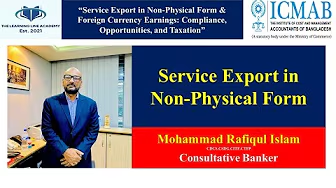
Mohammad Rafiqul Islam
Empowering Bankers | Building Future Trade LeadersVerifiedBangladesh-
9 Active students
-
4 Courses
Mohammad Rafiqul Islam is a seasoned trade finance professional, banker, trainer, and policy analyst with over 15 years of hands-on experience in international trade, export–import operations, supply chain finance, and regulaHe currently serves as Vice President & Head of Export Operations (Trade Service Division) at Prime Bank PLC, one of...